Clapham Common deep cleaning service guide
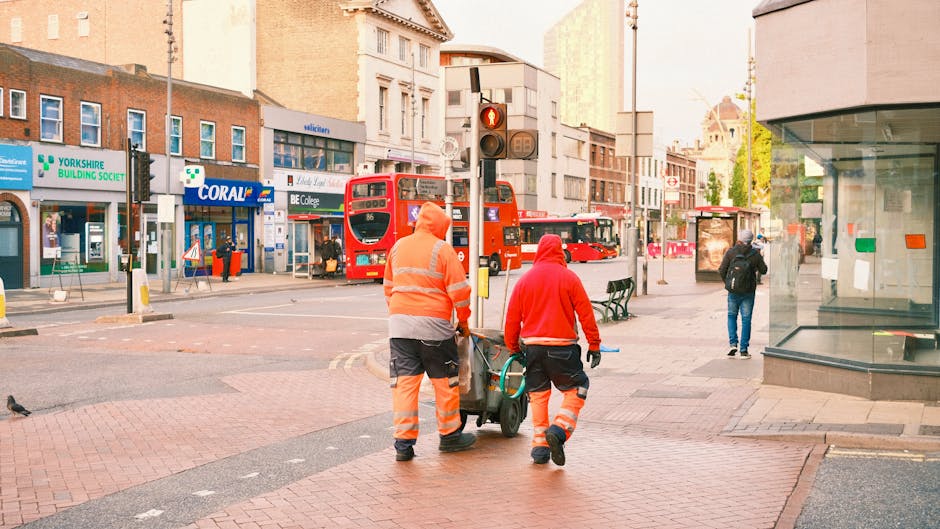
If you live or work around Clapham Common, you already know how quickly a place can start to feel tired. Busy footfall, London dust, cooking residue, pet hair, and the odd "I'll deal with that later" corner can all build up before you realise it. This Clapham Common deep cleaning service guide breaks down what deep cleaning actually involves, when it makes sense, and how to judge whether a service is worth booking. You'll find plain-English advice, practical steps, and a few real-world pointers that make the whole decision a lot less messy.
Deep cleaning is not just a more enthusiastic version of regular cleaning. Done properly, it targets the hidden grime, neglected edges, and hygiene pinch points that day-to-day tidying usually misses. That means skirting boards, behind appliances, shower limescale, extractor areas, high-touch switches, and all the places that quietly collect dust. Let's get into it.
Why Clapham Common deep cleaning service guide Matters
Clapham Common is a lively part of south London, and that comes with a simple truth: homes and workplaces here get used hard. People come and go, shoes bring in outdoor dirt, kitchens get busy, bathrooms pick up moisture, and shared spaces can drift into a "clean enough" state that stops feeling clean pretty quickly. A deep cleaning service guide matters because it helps you separate genuine deep cleaning from a standard tidy-up with a few extra minutes attached.
That distinction is important. In practice, many people book cleaning when they really need a reset. Maybe you've just moved in and the flat looks neat, but the inside of the oven tells a different story. Maybe you're preparing for guests, letting a property, or bringing a neglected home back to life after a hectic few months. In those moments, a proper deep cleaning service can be the difference between surface-level freshness and an actually healthier, more comfortable space.
It also matters for trust. Anyone can say they "do deep cleans". What you want is a clear understanding of what should be included, what is extra, and what good results look like. If you know the basics, you're less likely to overpay, less likely to be disappointed, and more likely to get a service that genuinely solves the problem rather than rearranging it.
Expert summary: Deep cleaning is most valuable when the home or workplace feels dusty, sticky, stale, or overdue for a reset. It is less about appearance alone and more about reaching the areas regular cleaning leaves behind.
How Clapham Common deep cleaning service guide Works
A proper deep clean usually begins with an assessment. That can be a quick phone or email conversation, or sometimes a more detailed quote request if the property has specific issues. The aim is to understand the size of the space, the condition of key rooms, and whether there are particular problem areas such as built-up grease, limescale, pet odours, post-renovation dust, or heavy foot traffic.
From there, the cleaning plan is shaped around the property. A deep clean for a one-bedroom flat in Clapham Common will look very different from a family home, a shared rental, or an office suite. A good service is targeted, not random. It should include high and low touchpoints, detailed room-by-room cleaning, and the kind of finishing work that makes a place feel genuinely sorted.
In most cases, the work is carried out in stages. The cleaner starts by removing loose dust and debris, then works through surfaces, appliances, bathroom fittings, floor edges, and hidden spots. Heavier tasks may include degreasing kitchen areas, descaling shower screens, cleaning inside cupboards, or treating carpets and upholstery where needed. If the job includes soft furnishings, the service may sit alongside specialist care such as sofa cleaning, upholstery cleaning, or carpet cleaning.
For many people, deep cleaning is bundled with a one-off reset rather than an ongoing schedule. That is why services like one-off cleaning often make sense when you need a thorough transformation without committing to weekly visits. Simple, really. Well, not simple to do properly, but simple to choose once you know what you need.
Key Benefits and Practical Advantages
The benefits of a deep clean are broader than "it looks nicer". That visible freshness matters, of course. But the real value tends to show up in the details: less dust on shelves, less greasy residue in the kitchen, cleaner bathroom grout lines, fewer stale smells, and a calmer feel in the space overall.
- Better hygiene: Deep cleaning reaches high-touch and hard-to-reach areas where dirt and bacteria can linger.
- Improved appearance: A room often feels brighter once skirting boards, sockets, and corners are properly cleaned.
- Reduced odours: Kitchen grease, bin areas, damp spots, and fabric build-up can all contribute to lingering smells.
- Longer-lasting surfaces: Regular removal of grime can help protect flooring, fixtures, and furnishings from premature wear.
- Better move-in or move-out readiness: Ideal if you're preparing a rental, handing over a property, or welcoming new occupants.
- Less stress: There's something quietly relieving about walking into a place that feels truly reset.
There's also a practical advantage that people often miss: deep cleaning can reveal problems you may not have noticed. A loose seal, mould beginning in a hidden corner, a stain that needs specialist treatment, or a carpet area that has deteriorated faster than expected. Catching those issues early saves hassle later on. Not glamorous, but useful.
If you run a business nearby, the benefits can be even more obvious. A clean, orderly environment supports better first impressions for clients and a more comfortable day for staff. In that case, it may be worth looking at office cleaning or office cleaners if you need a workplace reset rather than a domestic-style service.
Who This Is For and When It Makes Sense
Deep cleaning is for anyone who has moved beyond routine upkeep. That could be a homeowner who has fallen behind for a few months, a tenant preparing for inventory, a landlord wanting the place ready for new occupants, or a family juggling work, school runs, and all the usual life stuff. Truth be told, most people do not need a deep clean every week. They need it at specific moments, and those moments are easier to spot once you know the signs.
It usually makes sense if:
- you are moving in or moving out
- the property has not had a proper reset in a long time
- you have just finished building or decorating work
- there are visible hygiene issues in kitchens or bathrooms
- you are preparing for guests, tenants, or sale viewings
- you live with pets, children, or frequent visitors
- you want to reduce dust and allergens in the home
Clapham Common properties often combine older building features with busy modern lifestyles, which can be a tricky mix. High ceilings, period details, narrow staircases, and busy kitchen zones can all collect dirt in very specific ways. If the property has just come out of renovation, after builders cleaning may be the better fit because it focuses on fine dust, plaster residue, paint splatter, and construction debris.
For domestic settings, the most relevant service may sit alongside domestic cleaning or house cleaning depending on whether you need a deep reset or a regular maintenance plan. If you just need help in a single property type, home cleaners can also be a useful starting point.
Step-by-Step Guidance
If you are planning a deep clean, it helps to think in steps. You do not need to micromanage every cloth and spray bottle, but a clear process keeps expectations sane and helps the job run smoothly.
- Walk through the property. Note the rooms that need the most attention, any delicate surfaces, and any special issues like staining or damp.
- Decide what "deep clean" means for this job. For one home, that may mean kitchen and bathroom focus. For another, it may include carpets, upholstery, and inside cabinets.
- Clear clutter first. The less surface clutter, the more efficiently the cleaner can reach the grime underneath. It's boring, but it matters.
- Prioritise the worst zones. Kitchens, bathrooms, entranceways, and high-touch points tend to give the biggest return.
- Choose appropriate add-ons. Specialist tasks may require separate treatment such as oven cleaning, window cleaning, or hard floor cleaning.
- Check the finish carefully. Look at corners, edges, behind appliances, taps, handles, switches, and skirting.
- Keep the result going. Once the deep clean is done, a simpler maintenance routine will help the space stay fresh for longer.
One handy tip: if you are booking for a move-out, take photos before anything gets shifted around. It helps if you later need to check what was cleaned and what was already damaged. A little dull, yes. Also very useful.
Expert Tips for Better Results
In our experience, the best deep cleans happen when the client and cleaner are aligned before the work starts. That does not mean a long formal briefing. Usually, it just means being specific about what matters most. "Please focus on the kitchen extractor, bathroom limescale, and skirting in the hallway" is far better than "please deep clean the place" and hoping for magic.
Here are a few practical tips that make a real difference:
- Be honest about condition. If the oven has not been cleaned for two years, say so. Nobody benefits from underplaying the job.
- Flag fragile items. Delicate blinds, untreated wood, antique fittings, and specialised stone surfaces need care.
- Ask what is included. Inside cupboards? Appliance interiors? Internal windows? It is better to know in advance.
- Schedule enough time. Rushing a deep clean usually leaves weak spots.
- Consider pairing services. A deep clean often works well with carpet cleaner support or rug cleaning if fabrics are part of the problem.
Another useful point: ventilation matters. Opening a window or allowing air to move through the property after cleaning can help reduce that damp-cleaner smell and make the place feel properly fresh. A small thing, but it changes the experience.
If the service is for a workplace, ask for a sensible sequence around operating hours. A clean office on a Monday morning is great; a cleaner moving around during client calls, not so much.
Common Mistakes to Avoid
People get tripped up by the same few mistakes again and again. The first is assuming deep cleaning means every single item is scrubbed in the same way. It does not. A good service is selective and efficient. It goes deep where depth matters most.
The second mistake is confusing deep cleaning with specialist restoration. Heavy mould, major odour issues, serious staining, or damaged surfaces may need a different approach. Deep cleaning can improve many things, but it is not a miracle wand. That distinction saves disappointment.
Other common errors include:
- not mentioning the worst problem areas until the cleaner arrives
- booking too little time for the size or condition of the property
- forgetting to ask about add-on services for fabrics, flooring, or appliances
- leaving clutter everywhere and expecting full access under and behind everything
- focusing only on visible spaces while ignoring edges, corners, and high-touch points
There's also a subtle one: over-cleaning delicate surfaces yourself just before the appointment. You can do more harm than good with the wrong product, especially on stone, wood, or upholstery. If in doubt, leave it alone. Really.
Tools, Resources and Recommendations
A professional deep clean usually relies on a mix of standard equipment and task-specific products. The exact kit varies, but the broad idea is consistent: remove loose dirt first, apply the right solution, agitate if needed, and finish with a careful wipe or extraction. For the client, the useful "tool" is often not a machine at all. It is a clear brief.
If you are preparing a home or office, these practical resources help:
- Room-by-room notes: Useful for flagging priority areas and handling special instructions.
- Condition photos: Handy for move-ins, move-outs, and post-build projects.
- A simple inventory of problem spots: Oven, hob, shower screen, skirting, vents, under sofas, entrance matting.
- Linked specialist services: For example, oven cleaner, no, not that one actually no, scratch that, simply specialist support such as window cleaning or cleaner help when the job needs extra hands.
For properties with hard flooring, it can be smart to ask about hard floor cleaning, especially if the floor has visible build-up in grout lines or dullness in high-traffic areas. For upholstered furniture, sofa cleaning often makes a surprisingly large difference to how fresh a room feels.
And if sustainability matters to you, it should, then it is worth checking a provider's approach to waste reduction, chemicals, and reusable materials. You can also review a company's recycling and sustainability approach if you want a cleaner service with a lighter footprint.
Law, Compliance, Standards, and Best Practice
For most domestic customers, the main concern is not legal complexity. It is whether the service is safe, professional, and handled responsibly. Still, there are a few best-practice points worth keeping in mind.
Any cleaner entering a property should work in line with sensible UK health and safety expectations. That includes using products carefully, avoiding cross-contamination where possible, and treating electrical items, flooring, and fragile fixtures with care. If you are booking in a workplace, the provider should also be clear about risk awareness and site access. It is fair to ask.
Insurance is another one. A reputable cleaning company should be able to explain its position on cover and safety. If anything is unclear, look at their insurance and safety information and ask follow-up questions before the booking. You should never feel awkward about that.
Likewise, transparency around pricing, payment handling, and service terms is part of good practice. A customer should know what is included, what may cost extra, and how complaints are handled if something goes wrong. Useful references include pricing and quotes, payment and security, and the terms and conditions.
For a broader view of company standards, you may also want to review health and safety policy, privacy policy, and, if relevant, the complaints procedure. Those pages tell you a lot about how seriously a provider treats customers. Quietly, they matter more than many people think.
Options and Comparison Table
Not every cleaning job needs the same approach. Sometimes people ask for deep cleaning when what they really need is a targeted service. The table below gives a simple way to compare the options.
| Service type | Best for | Typical focus | When to choose it |
|---|---|---|---|
| Deep cleaning | Properties needing a thorough reset | Hidden grime, hygiene points, detailed room cleaning | Move-in, move-out, seasonal reset, overdue homes |
| One-off cleaning | Single visit support without a recurring plan | General refresh, high-priority areas | When the home is okay but needs a proper lift |
| End of tenancy cleaning | Rental handovers | Inventory-style full property clean | Before tenant checkout or new occupancy |
| After builders cleaning | Post-renovation spaces | Dust, residue, surface debris, fine particles | After decorating, repairs, or construction work |
| Specialist add-ons | Problem surfaces or materials | Ovens, carpets, upholstery, floors, windows | When one area needs focused treatment |
The decision usually comes down to scope. If the place needs a broad reset, deep cleaning is the right frame. If the issue is mainly one stubborn zone, a specialist add-on may be smarter. No need to buy more than you need, honestly.
Case Study or Real-World Example
Imagine a two-bedroom flat near Clapham Common that has had a busy six months. Work-from-home habits have taken over the dining area, the kitchen has developed a greasy film around the cooker hood, the shower screen has limescale, and the sofa has picked up a faint "lived-in" smell that only appears when the heating comes on. Nothing dramatic. Just the usual accumulation of real life.
The resident books a deep clean and asks for priority on kitchen, bathroom, skirting, and soft furnishings. The cleaner arrives, clears accessible surfaces, works through high-touch areas, tackles the grease and limescale, and then treats the sofa and rugs with more specialist attention. By the end of the visit, the flat does not look staged. It looks properly cared for.
That is the real win. Not fake showroom perfection. Just a home that breathes a bit easier. The resident notices it that evening: less smell, less dust visible in the light, and fewer things nagging at the back of the mind. It sounds small, but those small things can change how a place feels to live in.
If the same flat had been freshly renovated, the work might have centred on after builders cleaning instead. If it were a rented property at the end of a tenancy, end of tenancy cleaning would likely be the more suitable fit. Matching the service to the situation is half the battle.
Practical Checklist
Use this checklist before booking or starting a deep clean. It keeps expectations clear and helps you avoid the annoying little oversights that can derail the result.
- Identify the rooms that need the most attention
- List any special problem areas, such as grease, limescale, or pet hair
- Decide whether you need add-ons for carpets, upholstery, or windows
- Remove clutter so surfaces and corners are accessible
- Check for fragile items, special finishes, or surfaces that need gentle care
- Ask what is included in the quoted service
- Confirm whether oven interiors, cupboards, and appliances are covered
- Review payment, safety, and complaints information
- Plan for ventilation after the clean
- Do a final walk-through when the work is finished
If you are booking for an office or shared space, add one more step: coordinate timing so the clean does not clash with normal activity. It saves a lot of faff.
Conclusion
A good deep clean should feel less like a cosmetic touch-up and more like a reset button for the property. Around Clapham Common, where daily life can be busy and spaces get used hard, that reset can make a huge difference to comfort, hygiene, and peace of mind. The best results come from clear expectations, the right service scope, and a provider who handles the job with care rather than guesswork.
Whether you need help with a flat, family home, office, or a property that has simply got away from you a bit, the smartest approach is to match the cleaning to the problem. Start with the areas that matter most, ask sensible questions, and choose a service that explains what it does in plain language. That is usually a good sign.
Get a free quote today and see how much you can save.
Frequently Asked Questions
What is included in a Clapham Common deep cleaning service?
It usually includes detailed cleaning of kitchens, bathrooms, surfaces, floors, skirting, touchpoints, and neglected areas that regular cleaning often misses. Exact inclusions vary, so it is worth confirming the scope before booking.
How is deep cleaning different from regular cleaning?
Regular cleaning keeps a home tidy and maintained. Deep cleaning goes further by targeting built-up dirt, hidden grime, limescale, grease, and hard-to-reach spots. It is more detailed and usually takes longer.
Do I need deep cleaning before moving out?
Often, yes. If you are handing back a rental or preparing a property for sale or new occupants, a deep clean can help ensure the place is presentable and properly refreshed. For rentals, end of tenancy cleaning may be the better match.
How often should a home near Clapham Common be deep cleaned?
That depends on how the property is used. Many people book deep cleaning occasionally rather than on a fixed schedule, such as after renovations, before guests arrive, or when the home has started to feel tired.
Can deep cleaning help with odours?
Yes, often it can. Kitchen residue, bins, fabric build-up, damp corners, and overlooked bathroom areas can all contribute to lingering smells. A proper clean can reduce many of those sources.
Should I book carpet or sofa cleaning at the same time?
If fabrics are part of the problem, it is usually a smart idea. Services like carpet cleaning and sofa cleaning can make a big difference to the overall result.
How long does a deep clean take?
It depends on the size and condition of the property, as well as the tasks included. A compact flat with light build-up will be quicker than a larger home with heavy grease, dust, or post-build residue.
What should I do before the cleaner arrives?
Clear clutter where possible, list your priority areas, and mention any delicate surfaces or specific issues. That helps the cleaner focus on the right things without wasting time on guesswork.
Is deep cleaning safe for all surfaces?
Most professional cleaners use appropriate products and methods for different materials, but some surfaces need special care. Natural stone, untreated wood, and delicate fabrics should always be flagged in advance.
What if I need cleaning after renovation work?
Then after builders cleaning is usually the better option because it is designed for fine dust, debris, and construction residue rather than general household build-up.
How do I know if a cleaning company is trustworthy?
Look for clear information on pricing, safety, insurance, privacy, and complaints handling. Pages like about us and insurance and safety are often useful signals of a serious provider.
Can I combine deep cleaning with one-off cleaning?
Yes, in many cases the two overlap. If you only need a single visit to get a property back under control, one-off cleaning may be enough. If the condition is more demanding, deep cleaning is the stronger choice.
Where can I ask about pricing or next steps?
You can review the provider's pricing information on pricing and quotes and then contact them directly if you need a tailored estimate. A clear quote is always better than a vague promise.
And that's usually the point where things feel a bit lighter. A clean space does not fix everything, of course, but it makes the next day easier. Sometimes that is enough.